IOR, EOR, and SOR Explained: The Three "of Record" Roles in Cross-Border Trade
IOR, EOR, and SOR each carry legal responsibility for import, export, and sale. Here is what separates them, and how compliant structures such as 3rd Party Import and consignment sales work in the Philippines.
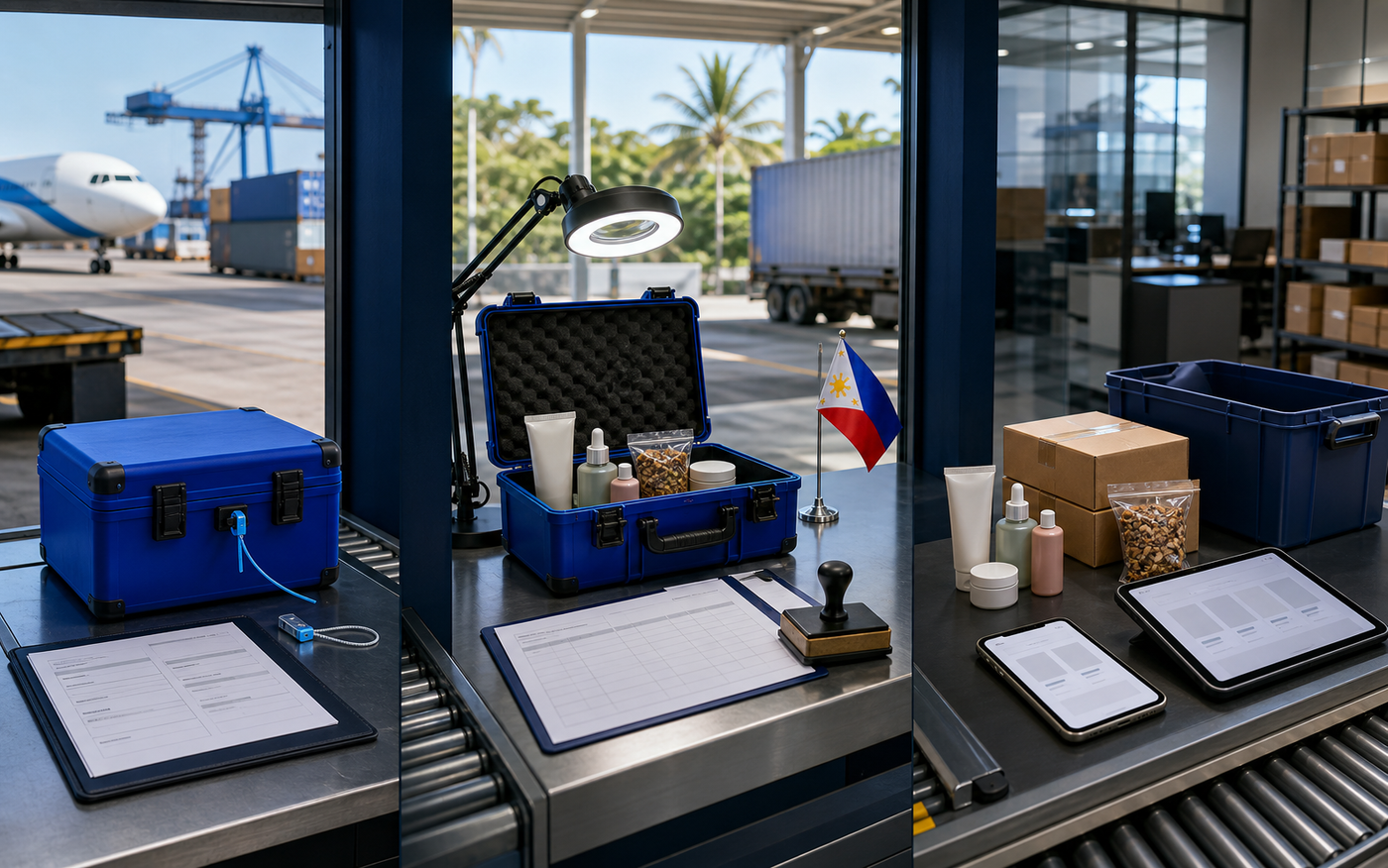
If you are looking into the Philippine market, three acronyms keep coming up: IOR, EOR, and SOR. They look almost identical, and they are easy to mix up.
Start with what they share. All three end in "of Record," meaning the party officially on record and legally responsible. What differs is the stage each one covers.
IOR handles import. EOR handles export. SOR handles sale.
IOR: the party that receives the goods
The Importer of Record carries legal responsibility for the import process and the goods themselves. This is the party that stands before customs and declares responsibility for the shipment. Filing documents, paying duties and taxes, and meeting regulatory requirements all fall to the IOR.
For a brand without a local entity in the Philippines, this is usually the first roadblock. You can be ready to ship, but without a party to receive the goods, nothing moves.
When a local buyer already exists, the cleanest route is 3rd Party Import: an accredited importer clears the goods and supplies them to your buyer, even if the buyer holds no import license, and scattered shipments can be consolidated into a single channel.
EOR: the party that sends the goods out
The Exporter of Record is the mirror image. It is the party legally responsible for the export process in the country of origin.
Say a company wants to source Philippine food ingredients or agricultural products. Without a local partner, there is no one to handle sourcing, quality verification, and export clearance on the ground. An EOR fills that role and creates a single export channel.
SOR: the party that sells the goods
The Seller of Record is the entity officially registered as the seller on a marketplace such as Shopee, Lazada, or TikTok Shop.
Clearing customs does not automatically put a product on sale. Someone has to be registered as the seller, run the listings, and manage orders and settlements. That is the SOR.
Which one do you need?
- Supplying a local buyer in the Philippines 👉 3rd Party Import (IOR)
- Sourcing Philippine products for export 👉 EOR
- Selling on Philippine marketplaces 👉 Consignment sales, or a cross-border store
- Building formal distribution in the Philippines 👉 Product registration, then 3rd Party Import
One point matters more than the acronyms. All three depend on certification first.
Regulated categories such as food and cosmetics cannot clear customs or be listed without Philippine FDA registration. Certification comes first, then import and sales.
How VAVLON fits
VAVLON operates entities in both Korea and the Philippines, which allows us to work in both directions.
For brands entering the Philippines, we register products with the Philippine FDA under our own LTO, handle import clearance as a BOC-accredited importer through 3rd Party Import, sell on consignment through our direct-operated stores on major marketplaces, and run 3PL fulfillment from local warehouses.
For companies moving goods the other way, into Korea, we act as EOR on the Philippine side and support entry through our Korean entity as the importer on the Korea side. Sales operations and 3PL fulfillment in Korea are also available.
Certification, customs, sales, and logistics run through one point of contact. Once that foundation is in place, each new order moves without starting over.
The terminology looks complicated. The structure is not. Someone sends, someone receives, someone sells. The question is who takes responsibility for each seat.